Kismatt Dosanjh

My journey with sport didn't begin with ambition.
It Started As Just A Game That Felt Good
Kismatt Dosanjh’s story began in first grade, during a summer break when basketball was simply a game that felt good to play.
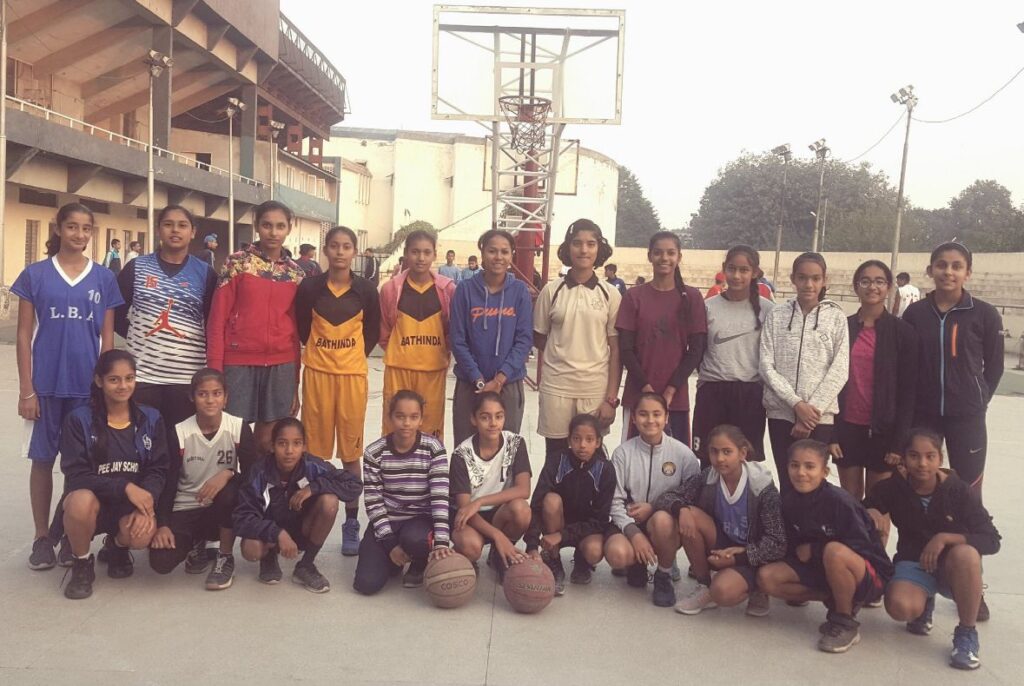
The shift came in fourth grade, when a new coach started evening practice sessions at Learning Paths School in Mohali. Training became more regular, and the game slowly took a more structured form in her life. By then, Kismatt was already playing state-level basketball for the Mohali district.
“I didn’t love the state environment,” she recalls. “It felt toxic and serious in a way I didn’t relate to.”
What she truly loved was the school court, which meant playing alongside friends, laughing between plays, and letting the sport become a release instead of a burden. For her, basketball was a way to wind down, a way to experience happiness instead of pressure.
Everything Changed In The Eighth Grade
In April 2018, Kismatt fractured her ankle during a game. The moment remains vivid in her memory: trying to stand up and realising she couldn’t. People gathered around her, and that, more than the pain itself, made the moment difficult.
“I’ve never been someone who likes asking for help,” she says. “I’ve always been independent.”
Being carried off a court, needing others to do basic things for her, depending on people in a way she had never allowed herself to before: that was harder than the fracture. The injury forced her into a position she disliked. She spent two months recovering and another month in rehabilitation. Her parents, who did not come from sports backgrounds, supported her throughout the process, ensuring she completed rehab properly.
The Coach Who Made Her Believe
The next major turning point arrived in ninth grade, when a new mentor entered her life: Coach Shiba.
A former trainer of the Indian national team, Shiba ma’am worked seriously with only a handful of athletes. When she told Kismatt that she had potential and should take basketball seriously, it was the first time she began to imagine a larger future within the sport.
For the first time, basketball was no longer just something she loved. It was something she could pursue.
COVID Gave Her Space To Grow
Then the pandemic brought traditional training to a halt, forcing athletes everywhere to adapt. For Kismatt, however, the period unexpectedly became one of growth. Training moved online for six to seven months. Her routine became self-driven: individual drills before and after games, and strength training completed independently. What could have been a setback instead became an opportunity.
"I got more reps. The sessions were intense, and I improved individually."
Discipline had always been part of her personality, and this phase allowed that trait to fully emerge. When she set her mind to something, she committed completely.
India Camp. Twice-A-Day Training. A New Dream.
In 2021, her progress was validated with a major milestone: she received her India Under-16 camp letter. However, the camp was cancelled due to COVID restrictions. In 2022, she received a second letter, this time for Under-16 trials. Training soon intensified to twice a day, and many of the social experiences typically associated with school life gradually faded away. Yet the sacrifice never felt like a burden. When Kismatt committed to something, she gave it everything.
Around the same time, her sister left for undergraduate studies abroad. By ninth grade, Kismatt had formed a clear goal of her own: to play Division 1 basketball in the United States. D1 represented exposure, elite competition, and a much larger stage.
20 Emails. 2 Replies. The D1 Dream Collapsed.
The recruitment process, however, proved more complicated than expected. She only began researching the pathway seriously in eleventh grade and hesitated to reach out to coaches because she did not feel “good enough.” That hesitation delayed the process. By twelfth grade she finally emailed twenty colleges. Only two responded. Brown University expressed interest but indicated she would need to take a gap year.
By early 2023, the reality had become clear: the Division 1 dream would not materialise. “It hurt deeply,” she admits. A dream she had built for years had collapsed, and Delhi University suddenly became what she describes as “damage control.”
The Fire Started To Fade
Around this time, the fire had also begun to slow down. She was not quite happy with what the sport was giving her anymore, and her relationship with basketball had changed. The love was still there, but the certainty she once felt had softened.
A Sports Dinner Changed The Trajectory
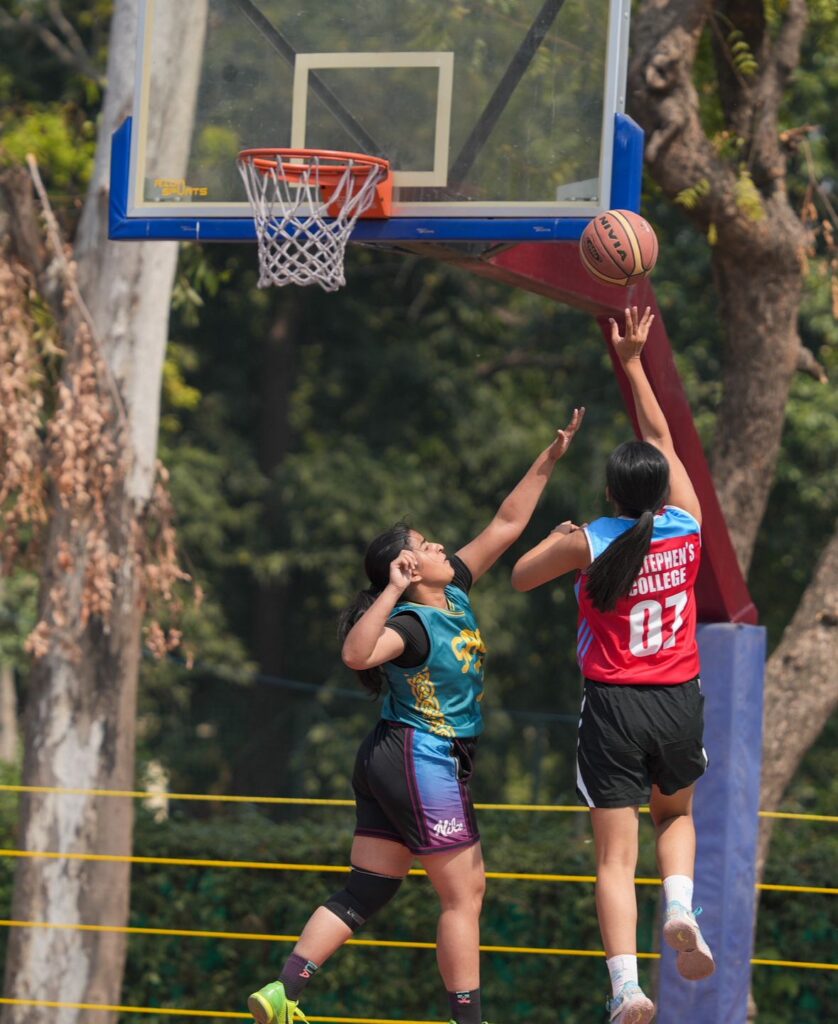
By the end of second year, she was still captain when a moment at the annual St. Stephen’s sports dinner changed the trajectory of her sporting life.
It sparked a curiosity about trying something completely different.
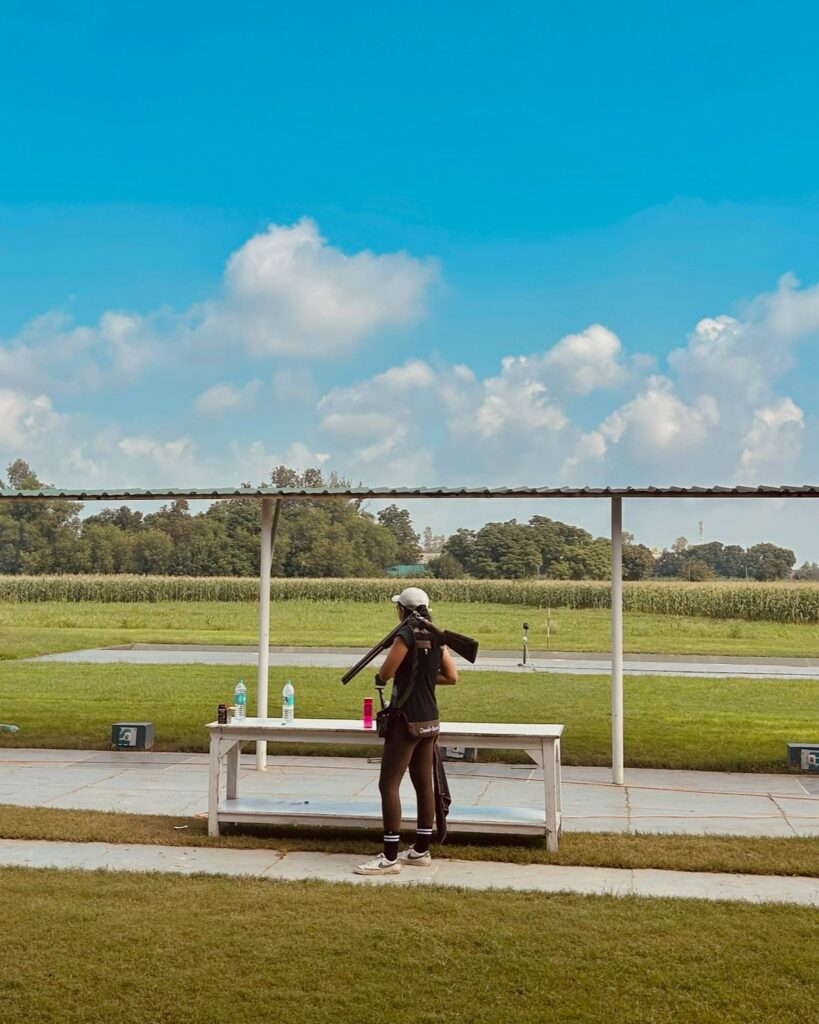
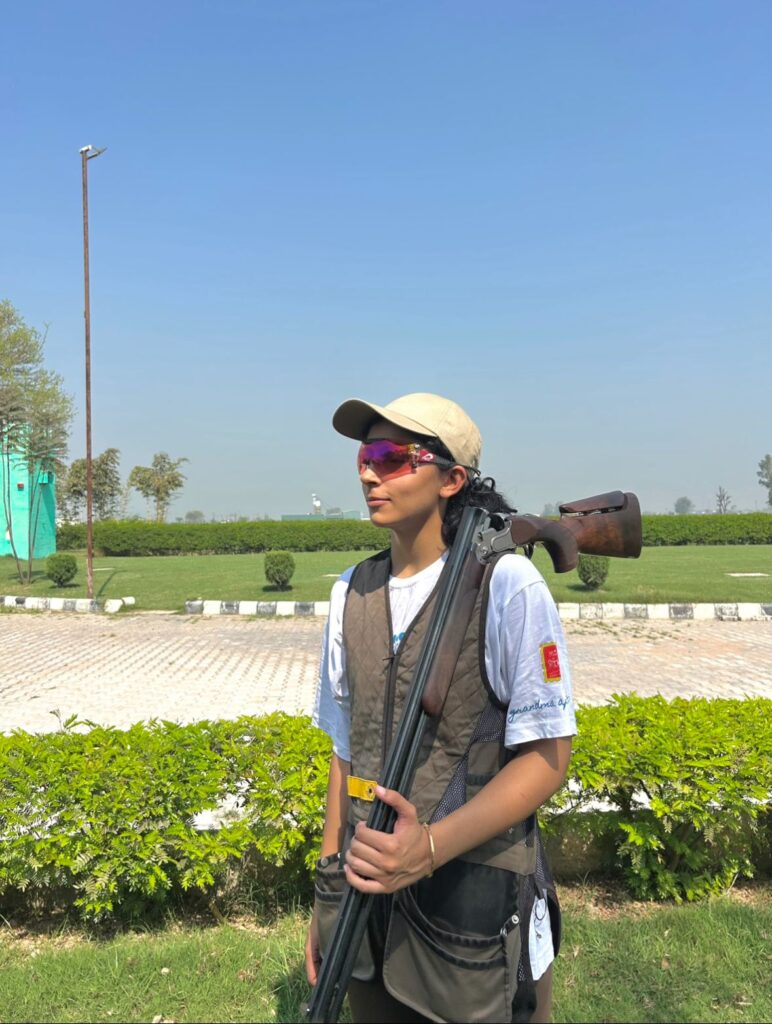
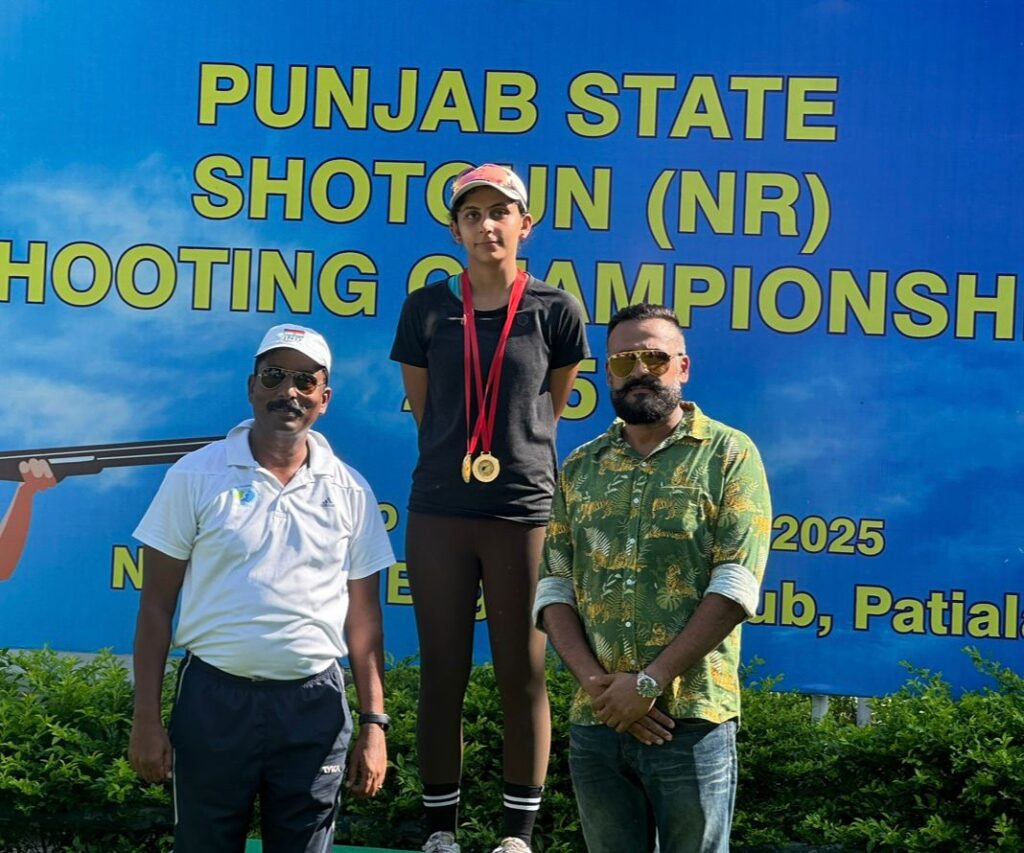
In the summer of 2024, Kismatt Dosanjh discovered shotgun shooting. What began as curiosity quickly deepened. She spent months learning about the discipline, understanding its demands, and feeling a pull she hadn’t felt in years.
The sport demanded immense focus and patience, and the physical fatigue often pushed her to the edge. There were breakdowns along the way, but she kept showing up.
86 Out Of 90. Four Points Away.
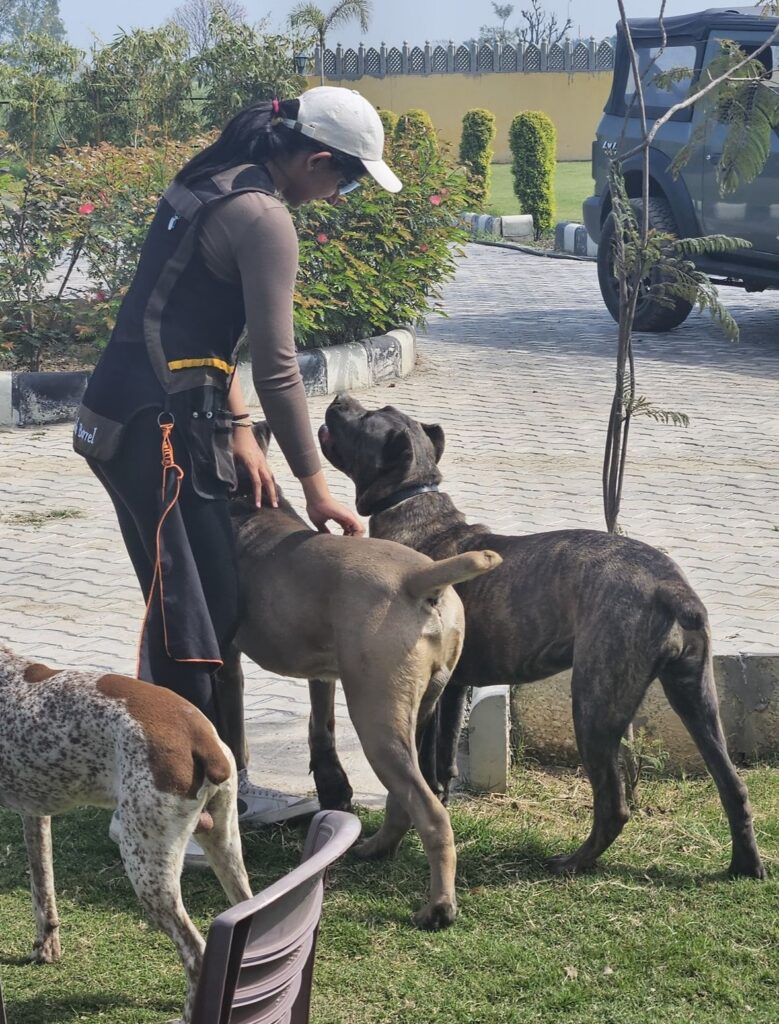
Within just nine months of professional training, she played nationals. Her score was 86. The qualifying mark was 90. Just four points away.
For many athletes, that gap might feel devastating. For Kismatt, it has become motivation.
Shotgun shooting felt different from basketball. It was quieter, more introspective, and deeply individual. “It’s about mental control,” she says.
Her mindset as an athlete has evolved. She studies athletes, reads about mental conditioning, and plans to begin journaling as part of her mental training routine. The drive that once fuelled her basketball career remains intact, but it is now accompanied by a deeper sense of self-awareness.
“I’ve always felt I can do anything I put my mind to.” It’s a belief that has stayed constant. Kismatt does not give up easily.