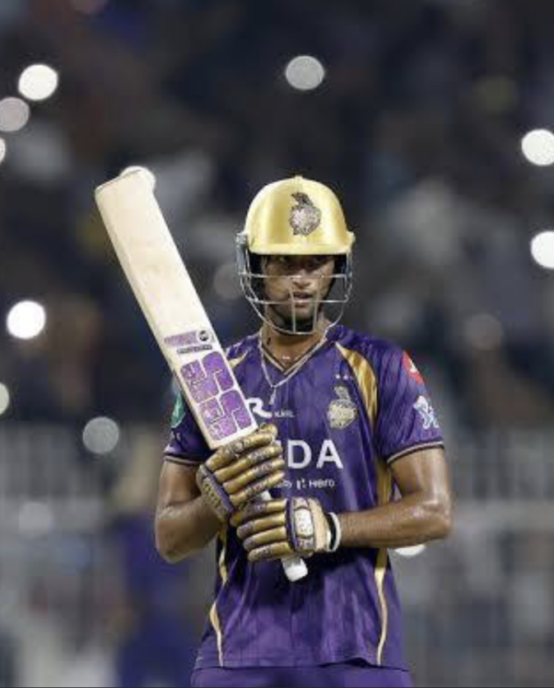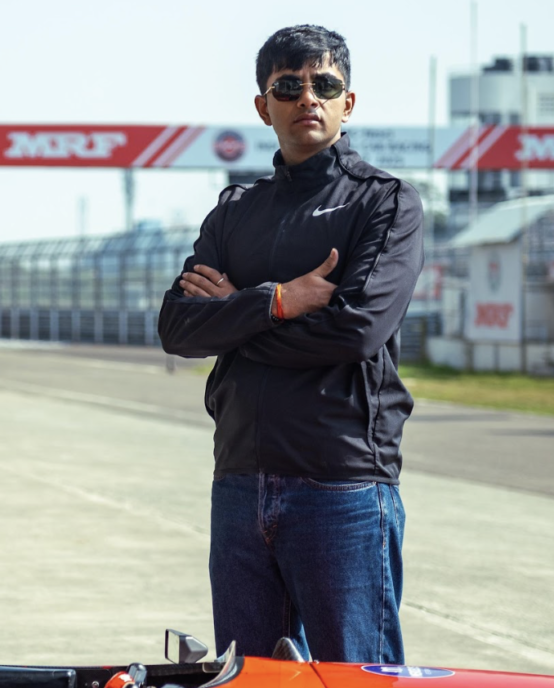
Vedansh Siotia
From the crease to the cap
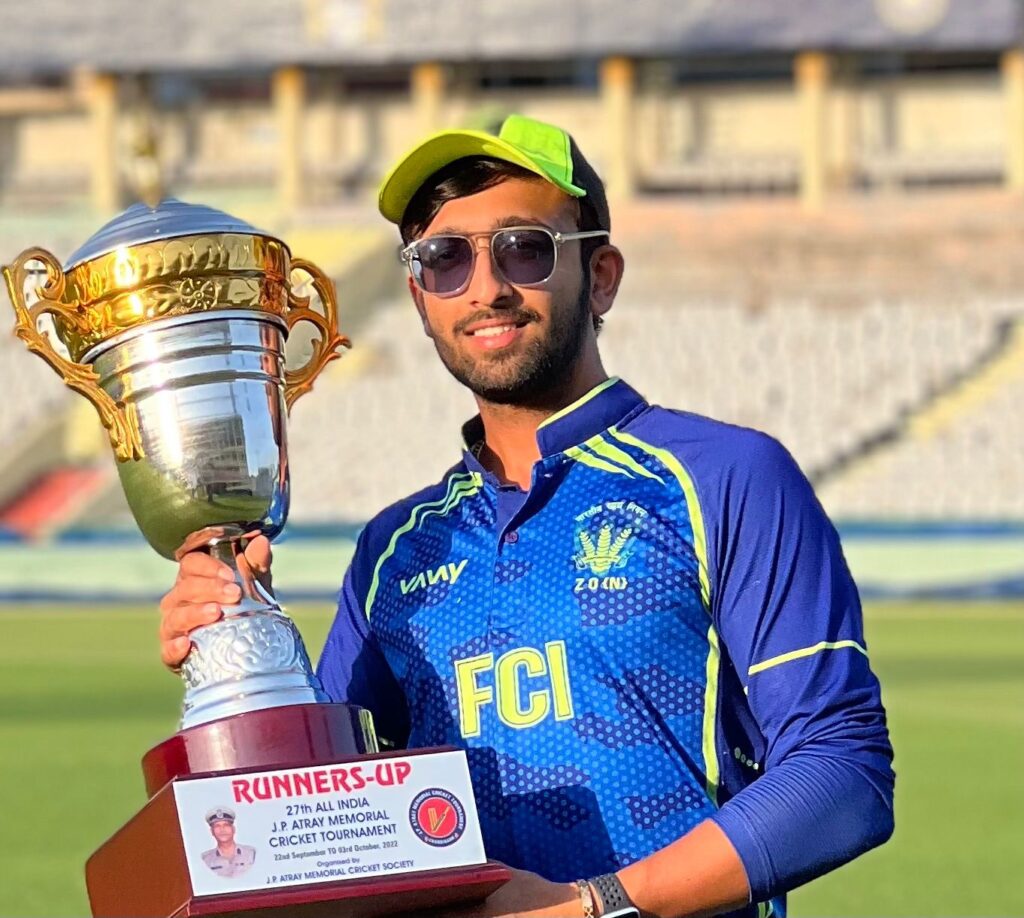

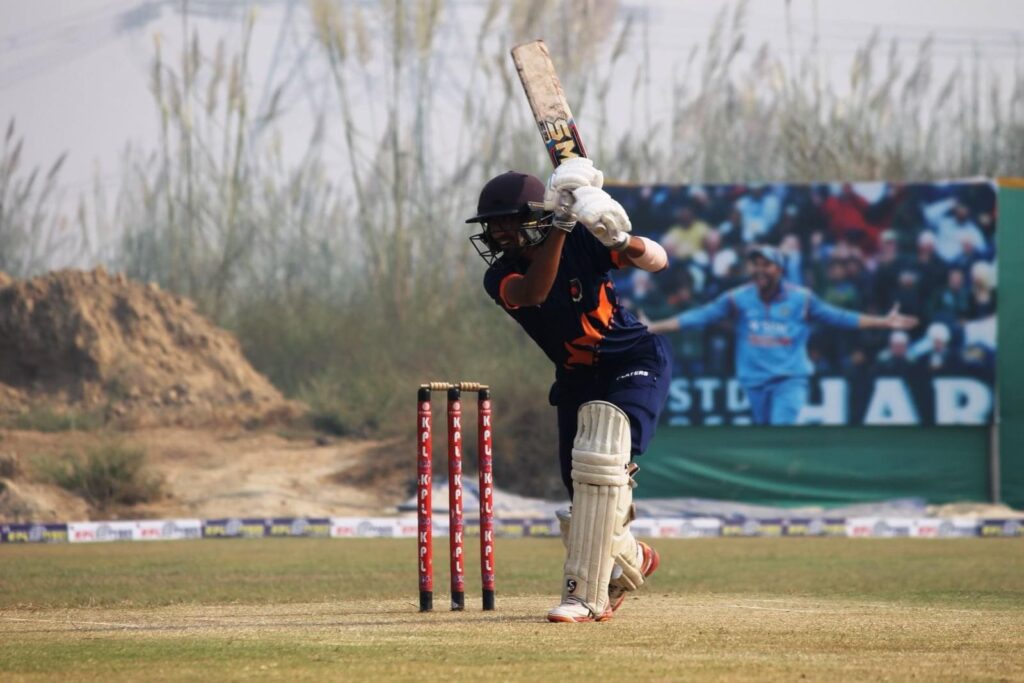
Vedansh Siotia was always the youngest in the room. At eight, he trained with under-14s. At eleven, with under-19s. At fifteen, he was captaining them. His story is about what cricket builds in a person, what it takes from them, and what remains long after the bat is put down.
The Beginning
At eight, Vedansh Siotia trained with under-14 players. At eleven, he was already playing with under-16 and under-19 cricketers. The age difference did not intimidate him. If anything, it toughened him. Facing older players every day built a kind of quiet competitiveness, the sort that does not shout but refuses to back down.
Vedansh was six when the game quietly entered his life. Not through ambition, not through pressure, but through television screens, neighbourhood parks, and endless evenings with friends chasing a red ball across uneven grass. What began as a game for children slowly turned into something else. Something more serious.
Soon, he was in an academy, learning the rhythms of professional cricket while most children were still discovering the sport. Even there, he was never quite in his own age group. The boy who once played for fun was slowly evolving into a cricketer.
Captain Before He Could Drive
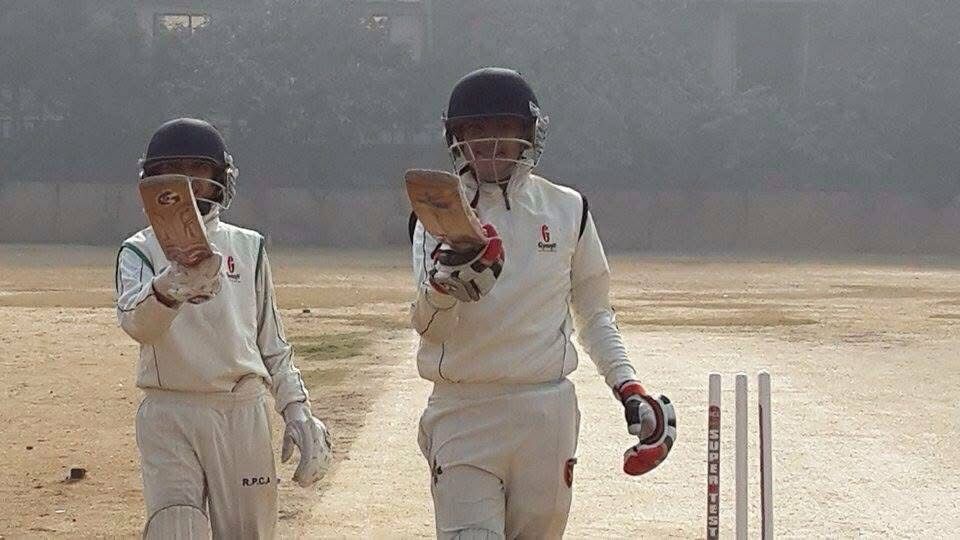
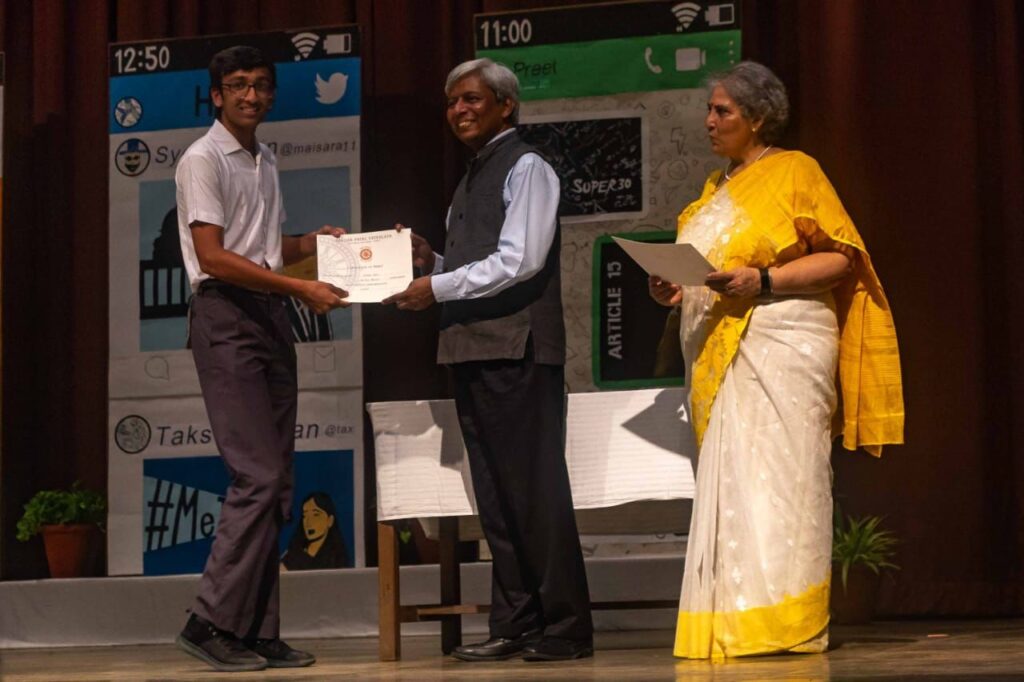
Recognition arrived early. At just 13 or 14, Vedansh received the ML Sharma Sports Scholarship at his school, Sardar Patel Vidyalaya. It was awarded to the best cricketer in the entire school. No age category. No junior division. Just the best.
This was the same school that had produced cricketers like Murali Kartik. For a teenager, the message was clear: you belong here.
Leadership followed naturally. At fifteen, Vedansh was captaining both his academy team and his school side. Leading older players sometimes meant navigating egos, but the shared grind of training kept the respect intact. When you spend ten hours together under the sun, hierarchy fades. Only effort and commitment remain.
Up Through the Ranks
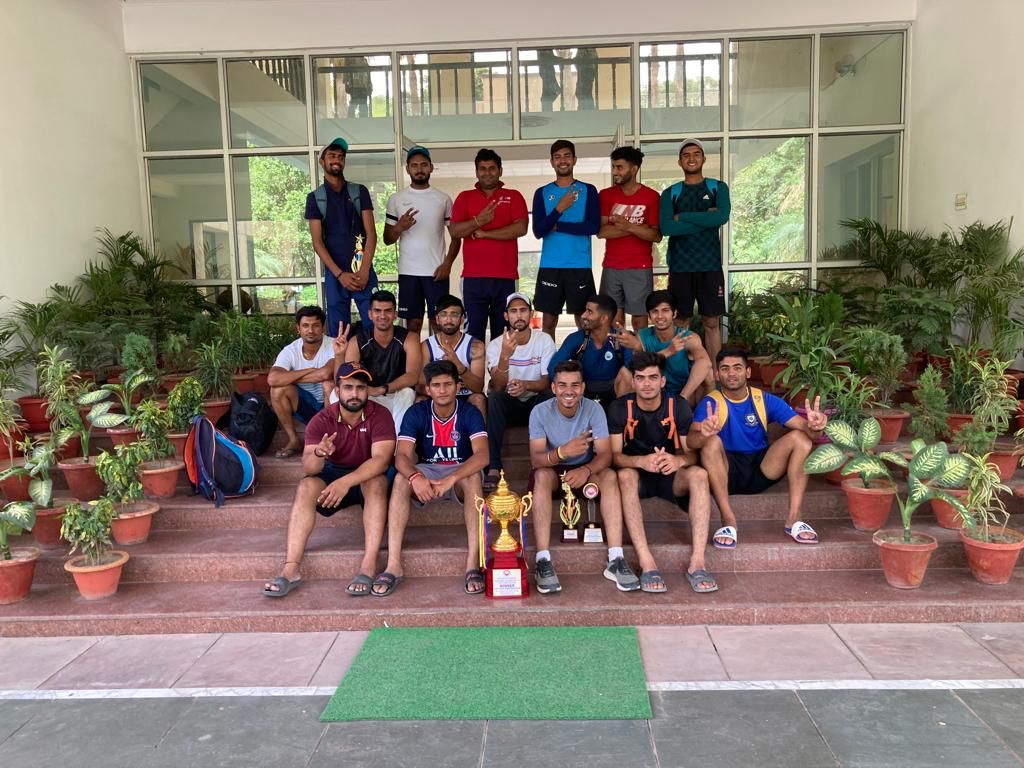
He continued to rise through the ranks in his cricketing journey. State level cricket. School nationals. University cricket. Eventually, Vedansh represented the Delhi University cricket team.
At that moment, something quietly remarkable stood out. He was the only player from his college representing Delhi University. What followed was even more satisfying. His university team went on to win the national championship during his time there.
What the Game Taught Him
Cricket shaped more than his statistics. It shaped his mind. Ten hour training days exposed him to people from every background imaginable. Different cultures, different personalities, different struggles.
The game slowly taught him things that had nothing to do with batting technique. Discipline. Patience. Emotional control. Sport forces you to grow up faster than most, because on the field, excuses disappear.
The Shift in Thinking
Early in his career, Vedansh thought like most young athletes. He blamed everything he could see. Conditions, opponents, luck. But as he progressed, something shifted.
The game became simpler when he focused only on what he could control. Preparation, effort, and mindset. The rest, he learned, was noise.
When the Body Broke
Then came the moment every athlete fears. A stress fracture. The injury struck his L3 to L4 spinal discs when he was around twenty. It happened at a time when his career felt like it was finally accelerating.
Instead, everything stopped. Suddenly, he could not bend. Could not move freely. Could not train. For nearly six months, the body that had once lived on the cricket field refused to cooperate.
With that came a different kind of battle. Not playing cricket was harder than the injury itself. Physiotherapy followed. Counselling sessions. Long periods of recovery. But the emotional side was heavier. For someone whose entire identity revolved around cricket, the silence was deafening.
The Shift in Thinking
Early in his career, Vedansh thought like most young athletes. He blamed everything he could see. Conditions, opponents, luck. But as he progressed, something shifted.
The game became simpler when he focused only on what he could control. Preparation, effort, and mindset. The rest, he learned, was noise.
The Cruelty of the Game
Even before the injury, cricket had already shown him its emotional extremes. One day, you score a hundred. The next day, you walk back for zero. Early in his career, failures hit him hard.
He would cry after bad performances. But slowly, experience led to resilience. He realised cricket does not owe you consistency. What it demands instead is belief.
The Final Over
After recovering from his injury, Vedansh came back stronger than ever. He hired a nutritionist, worked with a sports psychologist, trained twice a day, and the results showed.
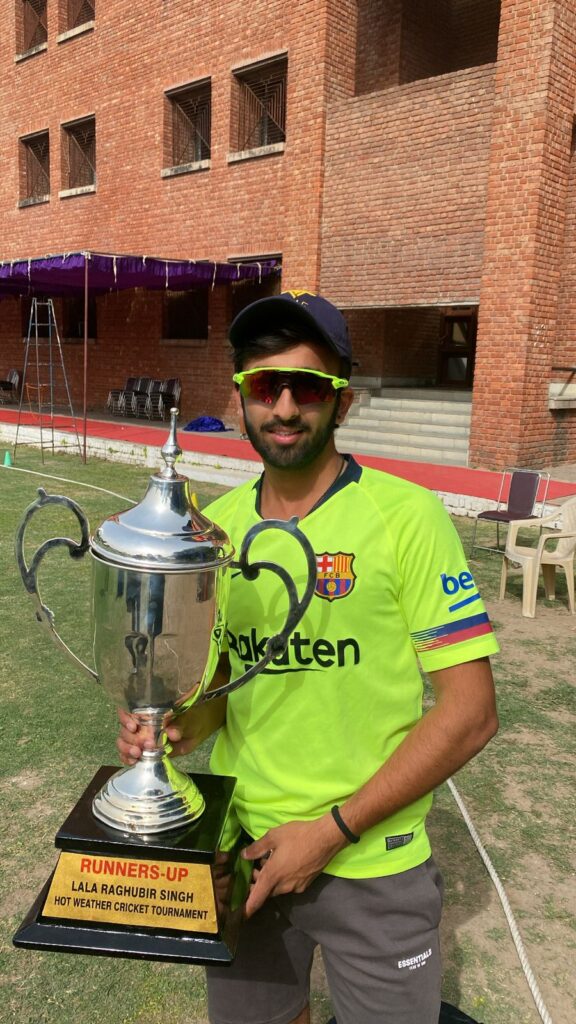
In Delhi’s pre-domestic tournaments, he became the highest run scoring wicketkeeper in his age group. He played tournaments like the All India Laxman Dass Chhabra Tournament and the All India Lala Raghubir Singh Hot Weather Cricket Tournament.
The performances were there. However, the opportunity never arrived. An administrative conflict between his academy’s owner and the cricket board leadership meant that players from that academy were not even called for domestic trials.
For Vedansh, the decision became inevitable. The innings had reached its final over. He stepped away from professional cricket.
Life Without the Game
For two years, he completely detached himself from cricket. No nets. No matches. Not even a bat in hand.
Instead, his attention shifted to something entirely different: building a business.
The Birth of 52 Degree
The idea started with something surprisingly simple. Caps.
Since childhood, Vedansh had collected them obsessively. Forty, sometimes fifty caps in his wardrobe. During his travels and research, he noticed that customisable caps were popular in the United States but surprisingly rare in India.
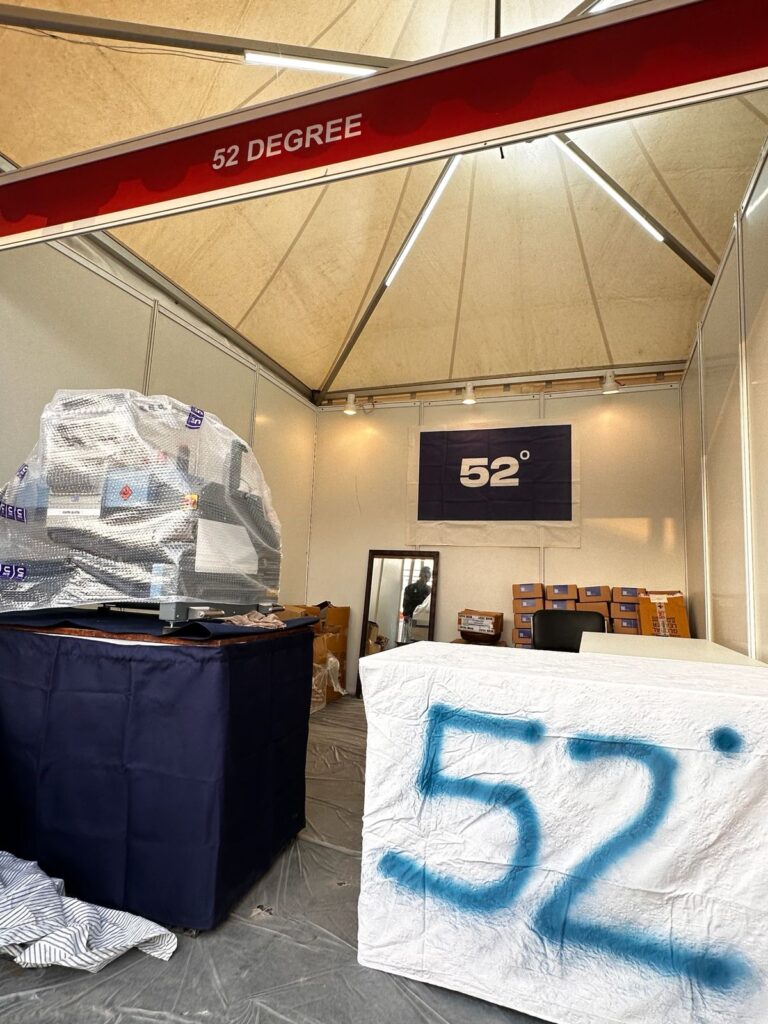
That gap sparked an idea, and soon a brand emerged: 52 Degree.
The name carried a piece of his cricketing life. Long hours spent under the blazing sun on the cricket field. The brand symbolised working and performing even under the harshest conditions. Customers could design and customise their caps directly online.
Just like that, the cricketer became an entrepreneur.

Same Player, New Field
Even in business, the approach remained familiar. Focus on the process. Commit fully. Ignore distractions.
The philosophy that once guided his cricket career now guided his startup.
Just like that, the cricketer became an entrepreneur.
Don't be afraid of the storm. Learn how to dance in the storm.
For someone who has experienced both injury and lost opportunities, the words carry weight. Because storms are inevitable. Adapting is a choice.
No Regrets, Only Chapters
When Vedansh reflects on his journey, regret is absent. Every phase mattered. The early mornings, the injury, even the disappointment.
Each experience carved out a different version of himself. The effort was never wasted.
Even today, when he occasionally returns to the nets with friends who represent Delhi or even India, the game still feels familiar. Not like a lost dream, but like a chapter that shaped everything that came afte