
Aadi Aneja
He'd Rather Lose His Wicket Than Win Alone


At 18, flat on his back, staring at a ceiling that did not care about his cover drive, Aadi learned what silence sounds like. It sounds like your friends laughing at practice while you count the tiles on your bedroom ceiling.
A Bat Before Memory
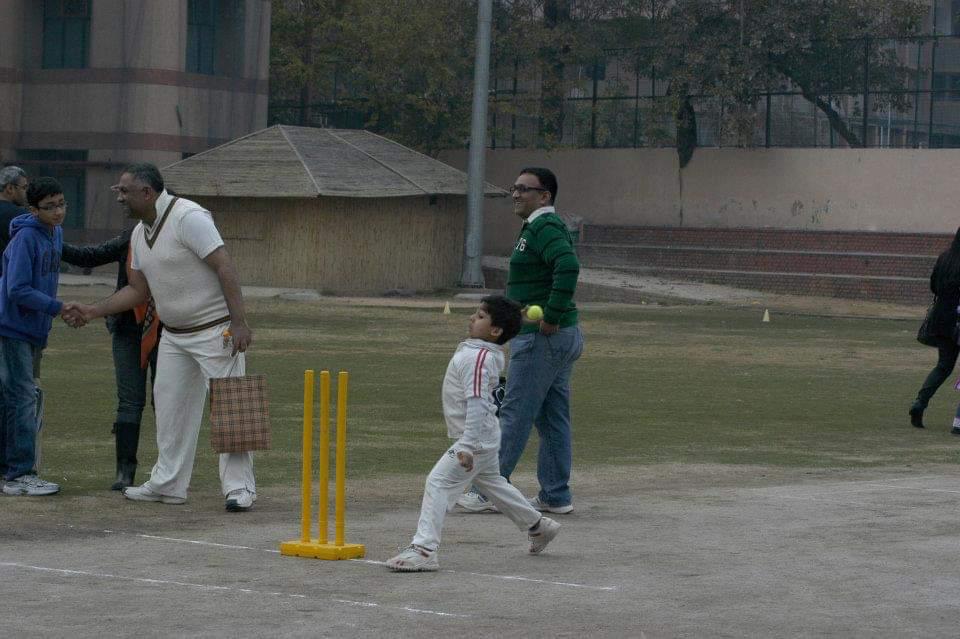
He has “always had a bat in his hand,” as he puts it. From the age of three or four, cricket was all instinct. At 12, it became structured. His parents enrolled him in a Delhi academy, and he was quickly fast-tracked from the youngest group to the teenage batch, graduating from softball to leather sooner than expected. The leather ball intimidated him at first. By 15, it did not.
It was Gaurav sir, the senior group coach, who noticed something early. He fast-tracked Aadi into the teenage batch almost immediately, believing he could handle a higher level. But Gaurav sir’s impact went far beyond technique. Aadi describes him as “more like a life mentor” than just a coach. “He didn’t just teach me cricket; he taught me how to live, behave, and interact with life.”
One lesson, in particular, stayed constant: “The only personal achievement that matters is the team winning.”
The Afternoon Game
The academy had two worlds. Morning matches for the smaller kids. Afternoon battles for teenagers and adults.
One weekend, around 13 or 14, Aadi stepped into the afternoon world. Bigger bodies. Louder appeals. Sharper edges. He did not just survive. He hit boundaries. He contributed. More importantly, he did not feel out of place.
That was the first time cricket stopped being an activity and started looking like a possibility.
Two Sports, One Decision
From sixth to twelfth grade, he was also a football captain, leading his school across age groups and even playing at the CBSE Nationals level in 10th grade. For years, he balanced state-level cricket trials with national-level school football.
Between 13 and 15, he chose cricket as his professional path. Not because football lacked joy. But because cricket felt like a longer conversation with himself.

The Under-19 Wall
If every sporting journey has a fracture line, his came during the Under-19 years.
He had been giving Delhi state trials since 12. But between 16 and 19, something shifted. His performances improved. He toured. He dominated local cricket. In his own assessment, he was playing at a level higher than those representing the state. Yet he never got the platform to prove it formally.
He calls it corruption and structural issues within Delhi cricket. What he remembers more clearly is the frustration. He thought about quitting. Not once. Multiple times.
When doors stay closed long enough, even the strongest hands start to weaken. But something in him refused to.
He'd Rather Lose His Wicket Than Win Alone
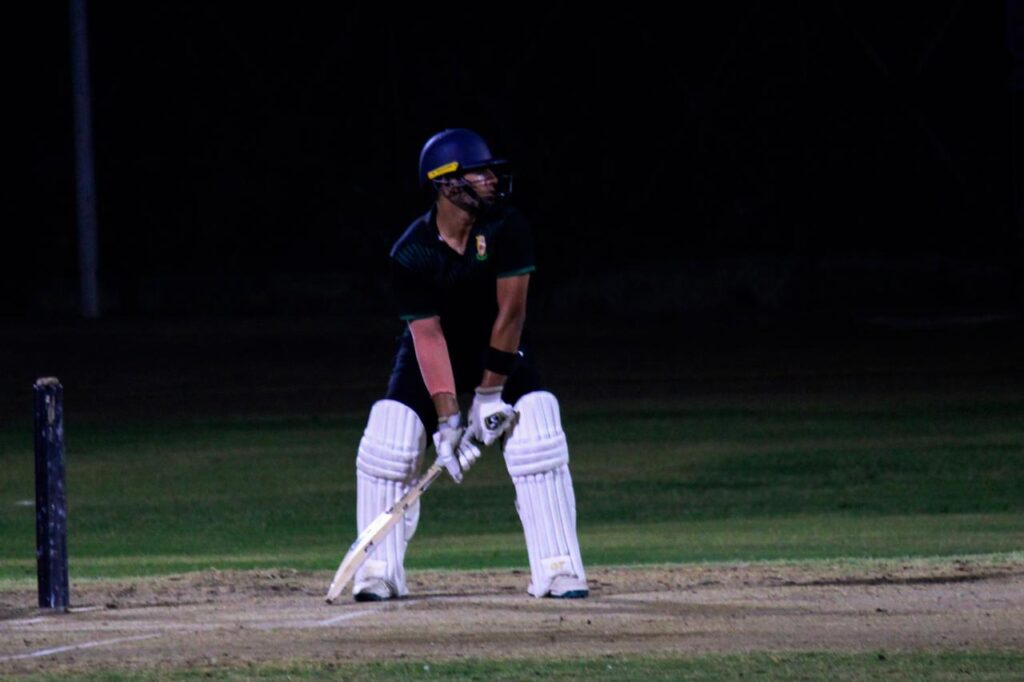
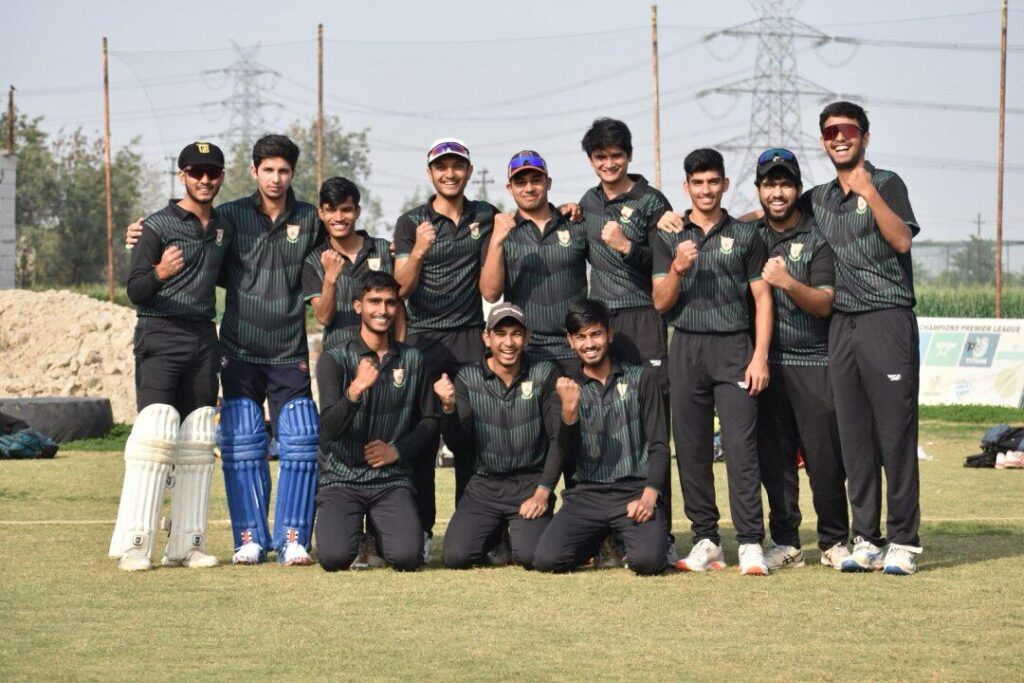
He entered college at 17 and was appointed captain of his college cricket team in his second year. His philosophy, shaped deeply by Gaurav, has been simple: team first. Aadi would rather have a poor personal game and win than score big in a loss. That mindset has sometimes cost him in trials that reward individual numbers, but he has not abandoned it.
The Year Without Cricket
An ACL tear. A torn meniscus. A full dislocation. Surgery. A year away from competitive sport.
The first three months were mechanical: crutches, restricted movement, painkillers, physiotherapy charts. Then came the psychological toll. When you are 18 and athletic, waiting feels unnatural. Your friends post match pictures. You post rehabilitation updates. The world keeps moving at full sprint while you are instructed to walk.
Rehabilitation forced him to live by the lessons sport had already taught him: leave bad days on the ground, do not obsess over setbacks. He coped by picking up hobbies to stay mentally engaged. Diversion. Mental occupation. Refusing to let the injury consume every waking hour. Because obsession feeds doubt.
When he returned to the field, he played at 100 per cent. Not the “protect the knee” version.
.
Teams Recruit Him. The State Still Doesn't.
In the last two to three years, he has excelled in local and inter-state cash prize tournaments across India. Teams recruit him. He performs. Recognition at the state level has remained elusive, but Aadi keeps showing up.
.

The Person Beyond The Player
Ask him what the sport has given him, and he does not begin with trophies. He talks about maturity. Conversation. The ability to interact with any type of person. Emotional control.
The 13-year-old intimidated by a leather ball would not recognise the 19-year-old who endured a year-long rehabilitation without surrendering his ambition.
.

Still At The Crease
Today, he is exploring international avenues. If the local structure blocks one path, he will search for another. Playing abroad, representing another country, the avenues are vast. It’s about expanding the map instead of shrinking the dream.
For Aadi, cricket has never been about selection lists or headlines. It has been about learning to reset. About showing up again after rejection, after injury, after doubt.
The scoreboard may not yet reflect the scale of his ambition. But he is still at the crease. And he is not walking off anytime soon.
.
